How to Make Your Home Cosy with Efficient Underfloor Heating Solutions
- 21 hours ago
- 4 min read
Creating a warm and inviting home is a priority for many. One of the best ways to achieve this is by installing underfloor heating. It offers comfort, efficiency, and a modern touch to any property. In this post, I will share practical advice on how to make your home cosy with efficient underfloor heating solutions. I will cover the benefits, installation tips, and cost considerations to help you make an informed decision.
Why Choose Efficient Underfloor Heating Solutions?
Underfloor heating provides a consistent and even heat distribution throughout your home. Unlike traditional radiators, it warms the entire floor surface, making rooms feel more comfortable. This method of heating is not only effective but also energy efficient. It reduces heat loss and can lower your energy bills.
Efficient underfloor heating solutions work well with modern insulation and smart thermostats. These systems allow you to control the temperature room by room, avoiding wasted energy. They also free up wall space, giving you more flexibility in your interior design.
Installing underfloor heating is a long-term investment. It increases the value of your property and enhances your living experience. Whether you are building a new home or renovating, underfloor heating is a smart choice.

How to Install Efficient Underfloor Heating Solutions Correctly
Proper installation is key to getting the most from your underfloor heating system. Start by choosing the right type of system for your home. There are two main types: electric and water-based (hydronic). Each has its advantages depending on your property and budget.
Before installation, ensure your floor is well insulated. Good insulation prevents heat loss and improves system efficiency. Use insulation boards or layers beneath the heating elements.
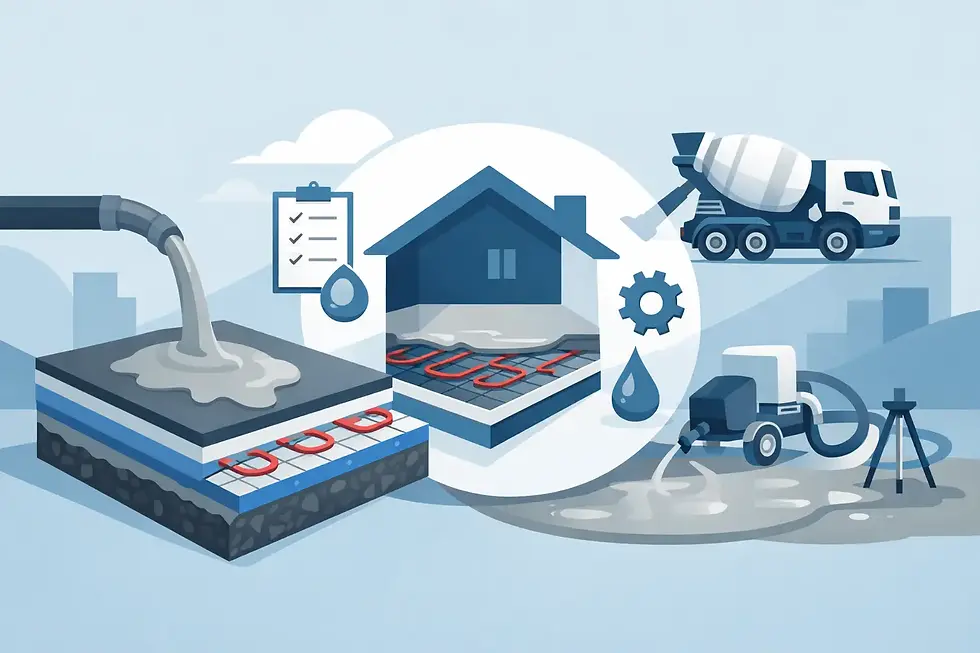
For electric systems, heating mats or cables are laid out evenly across the floor. These are then covered with a suitable floor finish such as tile, laminate, or engineered wood. For water-based systems, pipes are embedded in a screed layer that distributes heat evenly.
Work with experienced professionals to install the system. Precision in laying out the heating elements and screed is essential. Poor installation can lead to cold spots or system failure.
Once installed, use a programmable thermostat to control the temperature. Set different schedules for day and night to save energy. Regular maintenance checks will keep the system running efficiently.
Which Type of Underfloor Heating Is the Cheapest to Run?
When considering running costs, water-based underfloor heating systems tend to be cheaper to operate over time. This is because they use warm water circulated through pipes, which can be heated by efficient boilers or renewable energy sources like heat pumps.
Electric underfloor heating systems have a lower upfront cost and are easier to install, especially in smaller areas or retrofit projects. However, they usually cost more to run due to higher electricity prices.
To reduce running costs, combine your underfloor heating with a modern condensing boiler or a renewable energy system. Also, ensure your home is well insulated to keep the heat inside.
In summary:
Water-based systems: Higher installation cost, lower running cost.
Electric systems: Lower installation cost, higher running cost.
Choosing the right system depends on your budget, property size, and energy source availability.
Practical Tips to Maximise Comfort and Efficiency
To make your home truly cosy with underfloor heating, follow these practical tips:
Choose the right floor covering: Tiles and stone conduct heat well, making them ideal for underfloor heating. Wood and carpet can be used but may reduce heat transfer.
Use zoning controls: Divide your home into heating zones. This allows you to heat only the rooms you use, saving energy.
Maintain your system: Regularly check for leaks in water-based systems and ensure thermostats are working correctly.
Combine with smart home technology: Smart thermostats can learn your schedule and adjust heating automatically.
Consider liquid screed: Using liquid screed for embedding pipes ensures even heat distribution and faster installation.
By following these steps, you will enjoy a warm home without wasting energy.
The Long-Term Benefits of Energy Efficient Underfloor Heating
Investing in energy efficient underfloor heating brings many long-term benefits. It improves your home's energy performance, reducing carbon footprint and utility bills. The even heat distribution enhances comfort, eliminating cold spots and drafts.
Underfloor heating systems are low maintenance and have a long lifespan. They also increase property value, making your home more attractive to future buyers.
Moreover, these systems work well with renewable energy sources, supporting a sustainable lifestyle. By choosing efficient underfloor heating, you contribute to a greener future while enjoying a cosy home.
Planning Your Underfloor Heating Project with Precision
When planning your underfloor heating installation, consider the following:
Consult specialists: Work with experts who understand local building regulations and climate conditions.
Assess your property: Evaluate insulation, floor type, and existing heating systems.
Budget carefully: Include installation, materials, and running costs in your plan.
Schedule installation: Coordinate with other building works to avoid delays.
Test the system: Ensure it operates correctly before final floor finishes are applied.
Precision Screed specialises in high-quality liquid screed and integrated underfloor heating solutions across Oxfordshire, Wiltshire, and Berkshire. Their expertise ensures your project is completed with accuracy and reliability.
By planning carefully and choosing the right partners, you can enjoy the full benefits of efficient underfloor heating solutions.
Making your home cosy with efficient underfloor heating solutions is a smart, sustainable choice. It combines comfort, energy savings, and modern technology. With the right system, installation, and maintenance, you can create a warm and inviting living space that lasts for years.


Comments